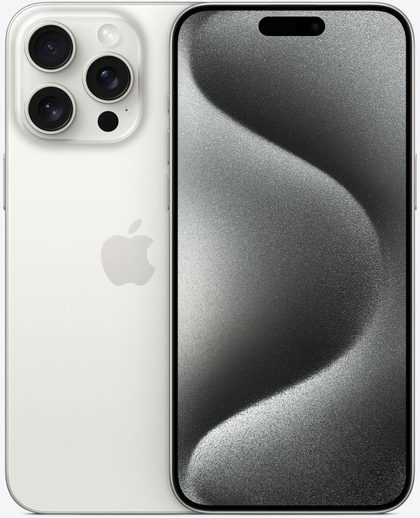
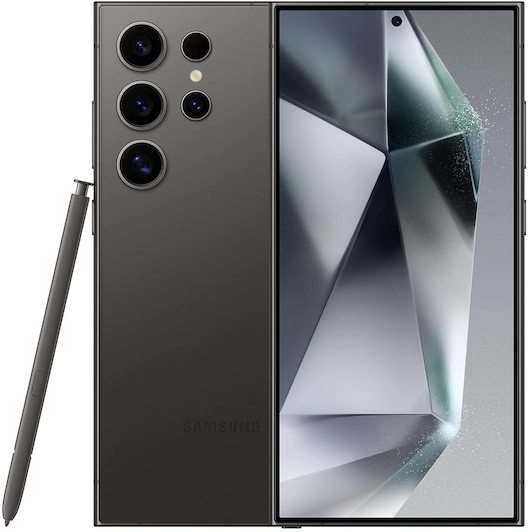
iPhone 15 Pro Max vs Galaxy S24 Ultra: Who Aged Better?
SpexHive Editorial
October 7, 2026
review
Flagships do not stay expensive forever. A year or two after launch, the iPhone 15 Pro Max and Galaxy S24 Ultra start showing up second hand and on discount, and the same question follows: which one is the smarter buy now?
We went back through both spec sheets in the SpexHive database and looked at the things that decide how an older phone ages: memory, battery, charging, processor and software. The result surprised us, and it does not favour the phone most people expect. Keep reading for the full picture.
On paper the Samsung Galaxy S24 Ultra is the stronger phone to buy today: more RAM, a bigger battery, faster charging and a sharper screen. The iPhone 15 Pro Max fights back with a very efficient chip, a lighter body and the Apple ecosystem. If you care about numbers, pick the Samsung. If you care about how a phone fits your life, the answer is closer.
Key specifications from the SpexHive database. The Galaxy S24 Ultra figures are for the China, Hong Kong and Taiwan model.
Round 1: Screen and body
The Samsung has the bigger and sharper display: 6.8 inches at 1440 x 3120 (about 506 ppi) against 6.7 inches at 1290 x 2796 (about 460 ppi) for the iPhone. Both run at 120 Hz and both use tough glass, Gorilla Armor on the Samsung and Ceramic Shield on the Apple.
The iPhone is the more comfortable phone to hold: it weighs 221 g against 232 g, and it is a little smaller at 159.9 x 76.7 mm against 162.3 x 79 mm. Over a long day that 11 g matters more than most people expect.
Winner: Samsung for the screen, Apple for handling.
Round 2: Performance and memory, the longevity test
The two phones use very different chips. The iPhone 15 Pro Max runs the A17 Pro on 3 nm with six cores up to 3.78 GHz. The Samsung Galaxy S24 Ultra runs the Snapdragon 8 Gen 3 for Galaxy on 4 nm with eight cores up to 3.39 GHz. Apple’s chip has a manufacturing advantage, and Apple tends to squeeze more performance out of fewer cores.
Where the Samsung pulls ahead is memory. It carries 12 GB of RAM against 8 GB. More RAM generally helps a phone keep apps open in the background and age more gracefully as software grows hungrier. That is the sort of spec that decides whether a phone still feels fast three years after launch.
Winner: Apple for the chip, Samsung for memory. A tie that leans toward Samsung for long term use.
Round 3: Cameras, resolution against consistency
Both phones have a flexible main camera with 5x optical zoom. The iPhone uses a 48 MP sensor at f/1.78. The Samsung uses a 201.3 MP sensor at f/1.7 with laser autofocus, and it records 8K video where the iPhone stops at 4K. The iPhone’s video quality and consistency have long been its selling point, so a spec sheet alone cannot settle this round.
Both selfie cameras are around 12 MP, so there is no meaningful difference on the front.
Winner: Samsung on paper, with Apple holding a strong reputation for video.
Plot twist #1: the battery is where age shows first
Batteries wear out, and this is where the specifications favour the Samsung most clearly. It starts with a 5,000 mAh battery against 4,422 mAh in the iPhone, about 13% more. It also charges at 45 W against the iPhone’s 20 W, so a top up takes far less time. Our database lists an endurance rating of 28 hours for the Samsung and none for the iPhone.
If you buy either phone second hand, ask for the battery health figure first. A phone with a tired battery is a poor deal at any price.
Plot twist #2: the real winner is the software you end up with
Both phones launched on older software, iOS 17 on the iPhone and Android 14 on the Samsung, and have almost certainly been updated since. For most people the ecosystem decision, iOS or Android, will outweigh any specification in this article. If your family uses iMessage and shares photos through iCloud, the iPhone keeps its advantage. If you use Google services and enjoy customising your phone, Samsung is the better fit.
you want a lighter phone and strong video quality;
you can find one with good battery health at a fair price.
Buy the Galaxy S24 Ultra if…
you want the sharper screen and the biggest battery;
fast charging and 12 GB of RAM matter to you;
you want the most hardware for the lowest second hand price.
Browse every model from Apple and Samsung to find a bargain.
Quick answers
Which has the bigger battery, the iPhone 15 Pro Max or the Galaxy S24 Ultra? The Galaxy S24 Ultra, with 5,000 mAh against 4,422 mAh.
Which charges faster? The Galaxy S24 Ultra, at 45 W wired against 20 W.
Which has more RAM? The Galaxy S24 Ultra, with 12 GB against 8 GB.
Which is lighter? The iPhone 15 Pro Max, at 221 g against 232 g.
The verdict
On hardware alone, the Samsung Galaxy S24 Ultra has aged better: more memory, a bigger battery, much faster charging and a sharper screen. The iPhone 15 Pro Max remains an excellent phone and the better choice if you value its weight, its chip efficiency and the Apple ecosystem. Whichever you pick, buy on battery health and price, not on the badge.