iPhone 18 Pro Max vs iPhone 17 Pro Max: What Actually Changed?
SpexHive Editorial
October 7, 2026
review
Apple will tell you the new iPhone is better in every way. But if you bought the iPhone 17 Pro Max just a year ago, is it really time to sell? We compared the two phones line by line in the SpexHive database, and the answer is more interesting than a simple yes or no.
Some changes are bigger than the box suggests, one is surprisingly small, and one will cost you 16 grams every time you pick the phone up. Keep reading to see whether this upgrade is worth your money.
If you own an iPhone 15 Pro Max or older, the iPhone 18 Pro Max is a big and worthwhile jump. If you own the iPhone 17 Pro Max, the upgrade is real but modest: a faster 2 nm chip, a larger battery, quicker charging and a variable aperture main camera. None of it changes how the phone looks or what it does day to day.
Key specifications from the SpexHive database. Prices vary by country.
Round 1: Design and display, nothing to see here
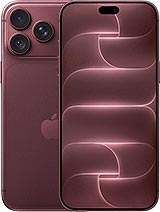
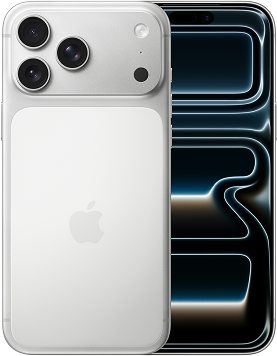
If you place the two phones side by side, you will struggle to tell them apart. The screen is the same 6.9 inches at 1320 x 2868 pixels and about 460 ppi, with 120 Hz and Ceramic Shield 2 glass on both. The body dimensions are almost identical too: 163.4 x 78 mm on both, with the new phone a hair thicker at 8.8 mm against 8.75 mm.
The one noticeable change is weight. The iPhone 18 Pro Max weighs 249 g against 233 g for the iPhone 17 Pro Max. That is 16 g more, about 7%, and you will feel it during long calls and one handed use.
Winner: a tie on looks, a small loss for the new phone on weight.
Round 2: Performance, a proper step forward
This is the biggest change under the glass. The iPhone 17 Pro Max uses the A19 Pro on a 3 nm process, with six cores peaking at 4.26 GHz. The new phone uses the A20 Pro on 2 nm, with the same six cores but a top speed of 4.93 GHz, around 16% higher.
The new chip has performed strongly in our tests, scoring 3,463,072 in AnTuTu, 12,794 in Geekbench 6 and 7,931 in 3DMark Wild Life Extreme. We do not have lab results for the iPhone 17 Pro Max in our database, so we will not put a number on the improvement. A smaller manufacturing process normally brings better efficiency as well as speed, which helps battery life.
Winner: iPhone 18 Pro Max.
Round 3: Cameras, the aperture is the story
On paper the megapixels have not moved: 48 MP for the main camera on both phones. What has changed is the lens. The iPhone 18 Pro Max lists a variable aperture from f/1.5 to f/4.0 with second generation sensor shift stabilisation, while the iPhone 17 Pro Max lists a fixed f/1.78 aperture.
A lens that can open wider than f/1.78 gathers more light in dark scenes, and one that can close down to f/4.0 gives you more control over depth of field and sharpness in bright light. The new phone also lists a 48 MP periscope telephoto and a 48 MP ultra wide, with video that includes ProRes RAW and Apple Log 2. The selfie camera is 18 MP on both phones.
Plot twist #1: the battery grows, and so does the heft
Here is where Apple’s extra 16 g goes. The battery grows from 4,823 mAh to 5,391 mAh, which is 568 mAh or about 12% more. In our testing the new phone reached an active use score of 19 hours 20 minutes, and the EU energy label rates it at 62 hours of endurance.
Charging is quicker as well. The new phone reaches 50% in 15 minutes over a wire with a USB Power Delivery 3.2 charger, while the iPhone 17 Pro Max is listed at 40 W. Wireless charging stays at 25 W on both.
Winner: iPhone 18 Pro Max.
Plot twist #2: the price barely moved
The iPhone 18 Pro Max is listed at £1,299 / €1,599. Our database lists the iPhone 17 Pro Max at 1,199 without recording a currency, so we cannot make a fair price comparison. What we can say is that the trade in value of last year’s phone will be the real cost of upgrading.
Before you decide, check what a shop or Apple will pay for your current phone. If the difference is under €500, the upgrade is an easier call. If it is over €700, you are paying a lot for a modest improvement.
Who should upgrade?
Upgrade from the iPhone 17 Pro Max if…
you are a heavy user and battery life is a daily frustration;
you shoot a lot in low light and want the extra aperture control;
you can get a good trade in value for your current phone.
Keep your iPhone 17 Pro Max if…
you are happy with its battery and speed;
you prefer a lighter phone by 16 g;
you would rather wait one more year for a bigger redesign.
Is the iPhone 18 Pro Max faster than the iPhone 17 Pro Max? Yes. It uses the A20 Pro on a 2 nm process with a top speed of 4.93 GHz, against 4.26 GHz for the A19 Pro.
Is the battery bigger? Yes. 5,391 mAh against 4,823 mAh, about 12% more.
Is the screen different? No. Both are 6.9 inches with 1320 x 2868 pixels and 120 Hz.
Is it heavier? Yes, by 16 g: 249 g against 233 g.
The verdict
The iPhone 18 Pro Max is a better phone than the iPhone 17 Pro Max in four ways that matter: a faster and more efficient chip, a bigger battery, quicker charging and a more flexible main camera lens. It is also a little heavier and looks exactly the same. For a one year jump, that is a solid but not dramatic improvement.
If your current phone is two or more generations old, buy it. If it is last year’s Pro Max, run the full comparison and decide whether the gains are worth the cost of switching.
Are you upgrading this year? Tell us in the comments below.